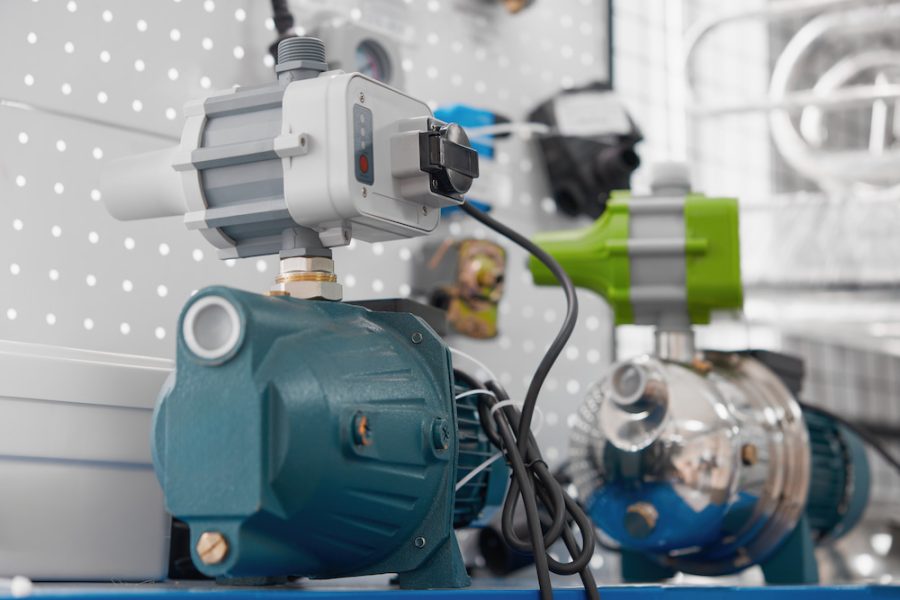

Electric drum pumps offer a practical and efficient way to move liquids safely, eliminating the physical strain and hazards associated with manual handling. By removing the need to tip or rotate heavy containers, they have become indispensable across a wide range of industries.
The primary purpose of an electric drum pump is to extract liquids from large containers using a motorised pumping mechanism. Unlike manual pumps that require physical effort and time, electric models deliver consistent, reliable performance with just the push of a button. Most industries depend on these pumps to transfer a wide variety of liquids from water and oils to aggressive chemicals and food products. Their versatility and efficiency have made them essential tools for the safe and efficient transfer of fluids in industrial settings.
How Do Electric Drum Pumps Work
Electric drum pumps combine power and precision for reliable operation. The pump consists of several key components, including drums, barrels, tanks, and intermediate bulk containers.
Core Components and Mechanism
At the heart of every electric drum pump is a motor that powers the pumping mechanism. The pump tube extends through the container’s opening into the drum, with a vertical shaft connecting the motor at the top to the pumping mechanism at the base. When activated, the motor drives either a centrifugal impeller or rotor located at the bottom of the pump tube.
The liquid being pumped flows through a sealed column between the tube and its protective sleeve, preventing leaks and ensuring a consistent flow throughout the transfer process. Electric motors deliver steady power, resulting in smooth and continuous pumping action.
Pump Tube Configuration
The pump tube is the essential conduit for transferring liquids. Available in various lengths, typically from 700mm to 1200mm, these tubes are designed to fit standard 55-gallon drums and larger containers. Tubes are made from materials suited to the application such as stainless steel for chemical resistance and durability, polypropylene for less aggressive fluids. Their internal design ensures smooth flow while reducing turbulence and preventing cross-contamination.
Power Sources and Motor Options
Electric drum pumps use various motor configurations tailored to different operational needs. Standard AC motors plug into regular outlets, delivering consistent performance for routine transfer tasks. These motors generally run at fixed speeds, though variable speed options provide better flow control.
Battery-operated drum pumps offer mobility and flexibility when electrical access is limited. Modern lithium-ion batteries ensure extended runtime and stable power throughout use. For flammable liquids, some facilities prefer pneumatic pumps, but electric models with explosion-proof motors deliver comparable safety.
Key Industries and Applications
Electric drum pumps serve diverse sectors where safe and efficient transfer of liquids is crucial. From chemical processing to food production, these pumps address specific challenges through specialised designs and materials.
Chemical Processing and Distribution
Chemical processing plants depend on drum pumps to safely transfer acids, solvents, and various other fluids. These pumps are built with materials that resist harsh chemicals, such as PVDF and PTFE, which can handle aggressive substances like nitric acid and concentrated bases. Choosing the right materials helps prevent pump damage and ensures the purity of the fluids being moved.
In the pharmaceutical industry, the standards are even higher. Drum pumps used here feature sanitary designs that minimize the risk of contamination. Smooth surfaces prevent bacteria from settling, and quick-disconnect fittings make it easy to clean the pumps thoroughly between batches of different chemicals or ingredients.
Oil, Fuel, and Automotive Sectors
Workshops and fuel depots rely on electric drum pumps to quickly and accurately dispense oils, diesel, and hydraulic fluids. These pumps handle everything from thin solvents to thick gear oils, delivering high flow rates that speed up vehicle servicing. Built-in meters help track the amount dispensed, making inventory management easier.
Mining operations demand tough, reliable drum pumps that can withstand harsh conditions. Heavy-duty designs with sealed motors protect against dust and moisture, ensuring the pumps keep working even in the most challenging environments common in mining and industrial sites.
Food and Beverage Manufacturing
Food-grade drum pumps are designed to meet strict hygiene standards required for handling consumable products. Made from FDA-compliant materials, they prevent contamination and preserve product quality. These pumps efficiently transfer a range of liquids, from cooking oils to syrups and flavourings. Their sanitary design supports Clean-In-Place (CIP) procedures, simplifying and speeding up changeovers.
In beverage production, drum pumps handle both ingredients and cleaning agents. The same pump can transfer fruit concentrates during manufacturing and then cleaning solutions during sanitation, reducing equipment needs while maintaining essential hygiene standards in food processing.
Water Treatment Facilities
Water treatment facilities rely on drum pumps for precise chemical dosing, enabling accurate injection of treatment chemicals like chlorine solutions, flocculants, and pH adjusters into water streams. These pumps ensure safe handling and controlled flow.
Environmental cleanup projects also depend on drum pumps to safely transfer hazardous waste. Their sealed designs prevent spills while moving contaminated liquids to storage tanks or treatment systems. Thanks to their chemical-resistant construction, these pumps withstand exposure to varied and unknown waste streams encountered during remediation.
Advantages of Electric Over Manual Options
The transition from manual to electric drum pumps signifies a major leap forward in industrial fluid transfer technology. The robust design and reliable operation of electric drum pumps make them essential equipment for industries that demand high-performance liquid-handling solutions.
Speed and Productivity Gains
Electric drum pumps significantly speed up fluid transfer operations. While hand pumps deliver 10-20 litres per minute, electric models provide 50-200 litres per minute, completing tasks much faster. They maintain consistent flow rates, ensuring precise volume control without operator fatigue. Higher flow rates also empty drums more completely, reducing waste and maximising material use.
Enhanced Safety Features
Safety features built into electric drum pumps protect workers by preventing exposure to hazardous liquids. Sealed pump tubes contain corrosive or flammable fluids, reducing risks of skin contact and splashes.
Ergonomically, electric pumps eliminate repetitive strain from manual pumping and heavy lifting. Static protection kits ground the pump and drum. This prevents dangerous static buildup during transfers of flammable liquids.
Reduced Labour Requirements
While electric drum pumps require an initial investment, their labour savings quickly offset the cost. Operators no longer need to pump manually and can focus on more productive tasks. One worker can manage multiple pumps at once, boosting overall facility efficiency.
Reduced physical effort enables workers of all abilities to perform fluid transfers safely. This flexibility improves operations and lowers injury risks. Overall, electric pumps deliver significant cost savings compared to manual pumping.
Precision and Control Benefits
Electric drum pumps with flow meters deliver precise volume measurement for transferred liquids, aiding inventory management and cost control. Digital displays provide real-time flow rates and cumulative totals, eliminating guesswork in dispensing.
Batch control lets you preset volumes for automatic dispensing, stopping the pump once the target is reached. This prevents overfilling and reduces waste. Advanced models also record data for quality control and regulatory compliance.
Essential Maintenance and Safety Practices
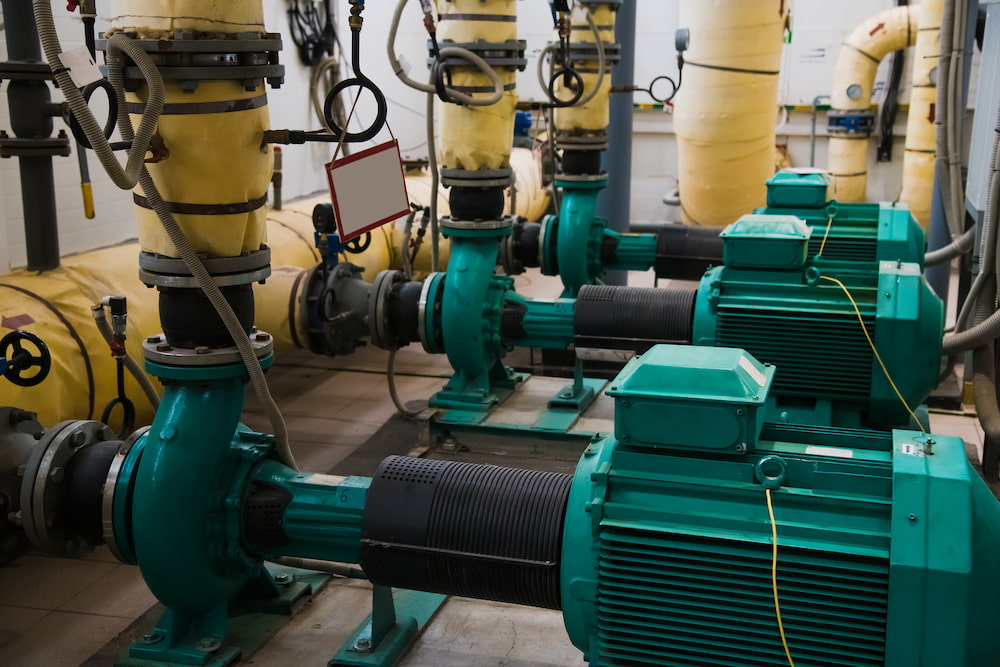
Proper maintenance is key to extending the life of your electric drum pump while avoiding costly breakdowns and safety issues. By following simple, regular maintenance steps, you can keep your equipment running smoothly and protect operators from common hazards found in industrial settings.
- Inspect Electrical Systems
Before each use, carefully examine power cords for any cuts, abrasions, or exposed wires. Damaged cords must be replaced immediately to prevent electrocution risks. Check plug connections for signs of overheating or corrosion, which could indicate electrical issues. Test ground fault circuit interrupters (GFCIs) monthly to ensure they are functioning correctly. While operating the pump, listen for unusual noises and monitor the motor for excessive heat, as these may signal bearing wear or electrical faults requiring professional attention. - Perform Regular Cleaning
After every use, flush the pump with a suitable solvent or cleaning solution to prevent cross-contamination between fluids. Use water for water-soluble products and appropriate solvents for oil-based residues. Run the pump briefly to thoroughly circulate the cleaning fluid through all wetted components. Periodically, disassemble the pump tube to clean its internal parts thoroughly. Inspect seals and impellers carefully, removing any buildup that could impair pump performance. - Inspect and Replace Parts as Needed
Conduct systematic inspections to identify worn or damaged components before they cause failures. Check seals and gaskets for cracks, swelling, or hardening, replacing them at the first sign of deterioration to prevent leaks. Examine moving parts such as impeller blades for erosion or damage that may reduce pumping efficiency. Ensure bearings rotate smoothly without grinding or excessive play. Maintain a log of replacement dates to establish a preventive maintenance schedule that minimises unexpected breakdowns. - Store and Handle Pumps Properly
When not in use, store drum pumps in clean, dry environments away from extreme temperatures to protect them from damage and contamination. Store pumps vertically to avoid tube distortion and cover openings to prevent debris entry while allowing air circulation to reduce moisture buildup. For cordless models, remove batteries during extended storage periods to prevent battery degradation and leakage. In corrosive environments, apply light oil coatings to metal components to extend equipment service life. - Follow Operational Safety Protocols
Always verify that the fluid to be pumped is compatible with the pump materials to avoid damage or hazardous chemical reactions. Wear appropriate personal protective equipment (PPE), including gloves, safety glasses, and chemical-resistant clothing. Never operate the pump dry, as this causes rapid wear and possible motor damage. Continuously monitor fluid levels during transfer operations to maintain proper flow. Ensure adequate ventilation when handling volatile liquids to prevent vapour accumulation. Position drums securely on stable surfaces to prevent tipping during pumping.
Hunter Pumps Industrial: Your Drum Pump Partner
Hunter Pumps Industrial brings over 25 years of expertise to drum pump selection, supply, and service across Australia. Our comprehensive approach covers everything from initial pump selection to ongoing maintenance support, making us the trusted partner for many industries.
Our extensive inventory includes drum and barrel pumps from world-leading manufacturers. We carry electric drum pumps suitable for a wide range of applications, from gentle food-grade transfers to handling aggressive chemicals.
We provide standard drum pumps designed for the efficient transfer of many liquids commonly used in industrial settings. For more specialised needs, such as pumping high-viscosity fluids or operating at extreme temperatures, we offer models engineered to meet those challenges. Our stock includes pump tubes in various lengths to accommodate different container sizes.
Accessories and Support Equipment
To enhance the performance and safety of your drum pump, we supply a full range of accessories. These include discharge hoses in various materials and lengths, nozzle kits for controlled, accurate dispensing, and flow meters to facilitate inventory tracking. Filter assemblies help protect downstream equipment from particulates, while drum adapters ensure secure attachment to different container types.
For operations involving flammable liquids like hydraulic oils and fuels, static protection kits play a critical role in preventing dangerous charge buildup. We also stock essential spare parts such as seals, impellers, and motors to minimise downtime and maintain reliable operation.
Expert Consultation Services
Selecting the right drum pump requires careful consideration of multiple factors to ensure safe operation and optimal performance. Our specialists guide you through this process by assessing your fluid properties, container specifications, and required flow rates.
We will also evaluate your operational environment to recommend appropriate pump configurations. For example, explosion-proof motors are suggested for hazardous areas, while battery-powered units offer portability where electrical access is limited. Maintenance capabilities and spare parts availability are factored in to guarantee long-term reliability. This thorough evaluation ensures you receive a pump solution perfectly matched to your needs.
Repair and Maintenance Programs
Hunter Pumps provides comprehensive service support for all drum pumps we supply. Our trained technicians perform on-site repairs and preventive maintenance to keep your pumps operating efficiently and safely.
Our emergency repair services minimise production disruptions caused by pump failures. With an extensive spare parts inventory, we ensure rapid response to breakdowns. We also support hand-operated pumps, which remain valuable options for specific applications where electric models may not be suitable.
Get Started with Hunter Pumps
Take the next step towards safer, more efficient fluid handling with Hunter Pumps. Our experts are ready to discuss your specific requirements and recommend optimal solutions.
Contact our specialist team today on 02 4958 7555 to explore our comprehensive product range. Our commitment to quality products and superior service makes Hunter Pumps your trusted partner for all pump requirements.