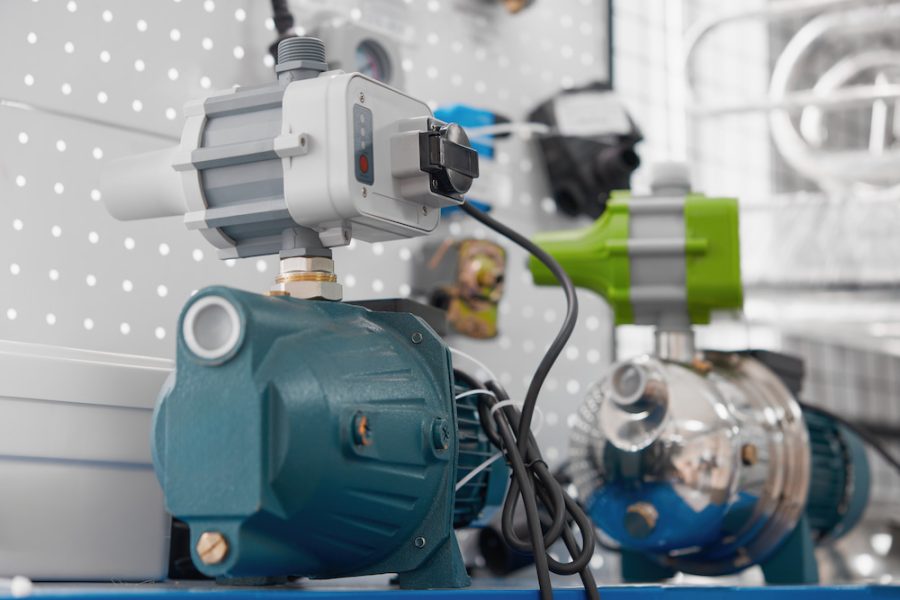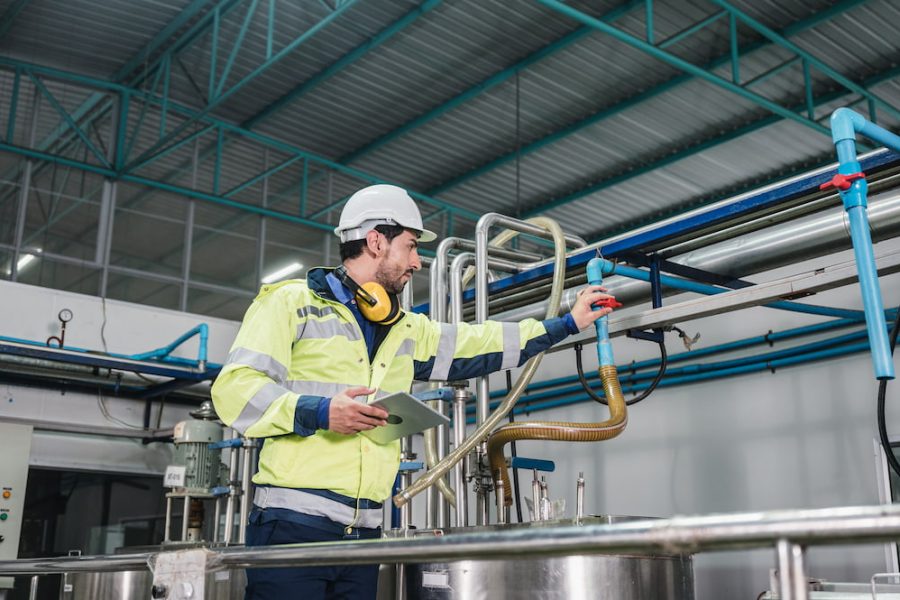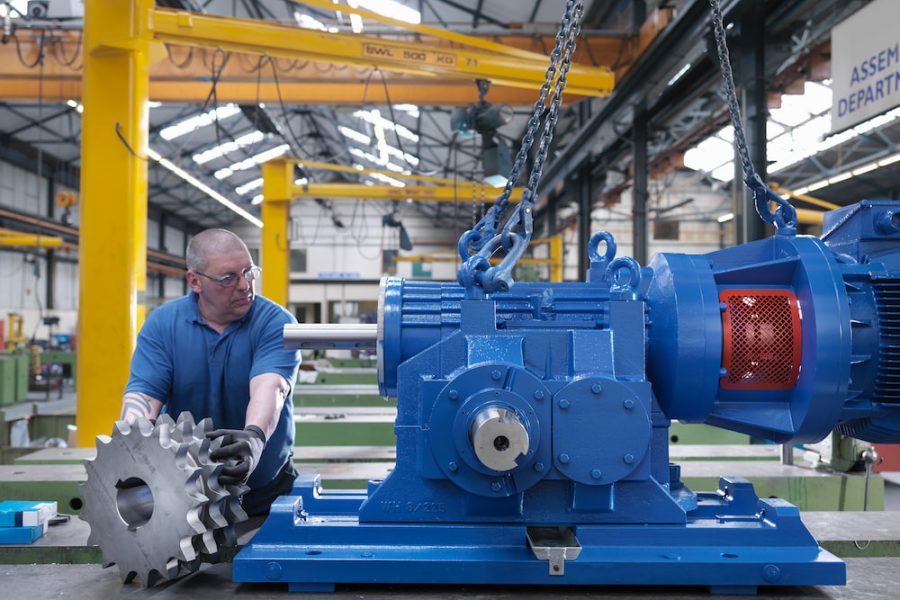

Borehole pumps drive water from deep underground straight to where industries need it. Mining operations, manufacturing plants, and large-scale farms depend on these pumps for a consistent water supply and pressure boosting.
Engineers install them directly into boreholes to reach aquifers that lie far below the surface. With powerful motors, multi-stage pumps, and durable stainless steel pump bodies, borehole pumps handle tough conditions and keep operations moving in remote areas across Australia.
What is a Borehole Pump
A borehole pump is specialised equipment used to access water stored deep underground. Unlike surface pumps, it operates below the water level inside a bore hole, pushing water upward with the help of a sealed motor and precision impellers. These pumps are commonly designed as submersible models, built from stainless steel to handle pressure and resist wear. Industries use borehole pumps to maintain steady flow rates for irrigation, mining operations, and industrial processing. Their compact form, efficiency, and long service life make them a reliable choice when large volumes of clean water are required.
How Does a Borehole Pump Work?
A borehole pump starts with the bore itself. The hole is drilled deep into the ground until it reaches an aquifer. To protect the structure, the bore is lined with a casing, fitted with a screen, and supported with gravel packing. These elements prevent soil and debris from entering while allowing clean water to flow into the system.
The pump is then installed inside the bore hole. Most operations utilise a submersible pump, which is positioned below the waterline. Its stainless steel pump body houses a sealed motor and a set of impellers. When the motor powers up, the impellers spin and push water upward through a series of stages. This multi-stage pump design builds the pressure required for demanding applications such as pressure boosting or long-distance delivery.
Because the pump remains fully submerged, the surrounding water cools the motor and protects it during operation. This setup allows for high flow rates at greater depths where surface pumps cannot perform. Combined with the right motor power and pump dimensions, a borehole pump can supply a reliable water source for processes that cannot afford interruptions.
From irrigation systems that span hectares to processing plants that require constant input, the way a borehole pump works makes it well-suited to the heavy-duty demands of commercial and industrial sites.
Industry Applications: Agriculture, Mining, and Manufacturing
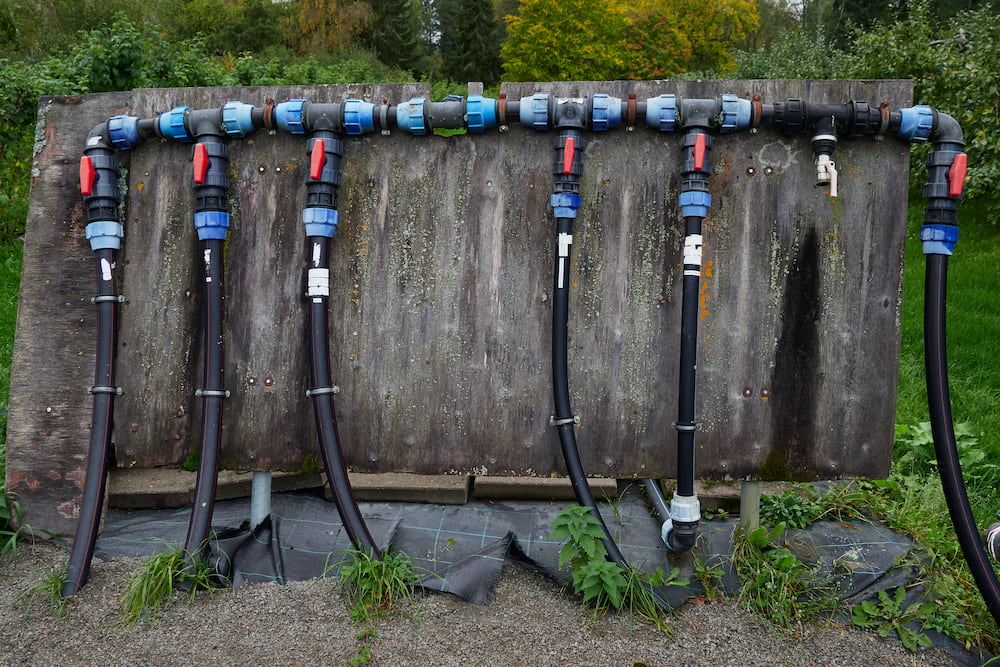
Industries that rely on water for their daily operations require equipment designed for heavy use. Borehole pumps meet this demand by lifting water from underground aquifers and delivering it with the pressure necessary for large systems.
Agriculture
Borehole pumps supply irrigation systems with steady output and dependable pressure. With multi-stage pumps, farms can move water across large areas of land and sustain crops during prolonged dry periods. Consistent delivery helps secure yields and keeps agricultural operations running smoothly and productively.
Mining
Mining sites rely on borehole pumps for water supply and dewatering. These pumps support processing, dust suppression, and drilling, while also removing unwanted groundwater. Stainless steel pump bodies withstand abrasive conditions, including contact with minerals, oil traces, and gas pockets.
Manufacturing
Manufacturing plants depend on borehole pumps for cooling systems, cleaning, and process water. High-capacity submersible pumps provide the pressure boosting required for continuous operations. By drawing directly from underground sources, they give factories a stable water supply that protects machinery and helps reduce downtime.
Key Benefits of Borehole Pumps
Bore pumps are designed to meet the heavy demands and are capable of handling depth, pressure, and water quality challenges that smaller systems cannot. The following benefits show why they remain the preferred choice for large-scale water supply.
Reliable Water Delivery
A properly installed bore hole pump maintains stable flow rates from deep aquifers. This consistent delivery supports operations where interruptions can result in significant losses.
Unlike shallow pumps that struggle at depth, a submersible borehole model sits below the waterline and continues to operate even when water levels drop. This reliability protects investments in equipment and crops by keeping water available when it is most needed.
Efficiency and Performance
Industrial sites require strong and steady pressure boosting. Borehole pumps use multi-stage pumps and advanced impellers to lift water hundreds of metres while maintaining output. This reduces energy waste and provides higher efficiency across long pipe runs and complex distribution systems.
Durability and Protection
Water drawn from underground sources often contains minerals, gas, or traces of oil. Borehole pumps combat these conditions with stainless steel pump bodies and sealed motor housings that resist corrosion. These features protect the pump from early wear and extend service life. When paired with correct borehole pump installation and scheduled servicing, they run reliably for years under heavy use, lowering total cost of ownership.
Versatility Across Models
Borehole pumps come in a wide range of models to match industrial needs. Operators can select models with features tailored to their specific depth, diameter, and output requirements.
Installation & Maintenance Considerations
Proper installation is the foundation of a reliable borehole pump system. A pump that is installed with care will deliver stable flow rates and strong pressure for years. Poor installation, on the other hand, can shorten pump life, cause energy waste, and reduce performance.
How to Install Borehole Pump :
- Measure depth and capacity – Record the bore depth, expected flow rates, and pressure requirements before selecting a pump.
- Choose the right model – Select a submersible pump or other design that is suitable for the site. Consider casing dimensions, motor size, and expected duty cycle.
- Prepare the bore hole – Install a casing, screen, and gravel packing to protect the bore from collapse and filter incoming water.
- Lower the pump body – Position the submersible borehole pump below the water level. Attach the rising main, power cable, and safety rope to support the pump.
- Connect pipework and power – Fit discharge pipes, check valves, and electrical wiring. Knowing how to connect a borehole pump safely is vital to prevent motor damage or electrical faults.
- Test before operation – Run the system, monitor flow rates, and confirm that pressure is steady. Adjust controls to protect against dry running.
Maintenance Tips
Servicing keeps borehole pumps running efficiently under heavy use. Routine checks protect components and reduce costly downtime. Key maintenance practices include:
- Schedule inspections every 12 months, or more often for pumps operating at high duty cycles.
- Monitor impellers, motors, and seals for wear and replace parts before failure occurs.
- Record flow rates and pressure output; sudden drops may indicate clogging, leaks, or fatigue.
- Protect the pump from minerals, gas, and traces of oil by choosing models with stainless steel components and protective coatings.
- Utilise control panels equipped with safety features, such as overload protection and dry-run sensors, to prolong pump life.
Hunter Pumps Services: High-Performance Borehole Pumps for Industrial Demands
Hunter Pumps supplies, installs, and services borehole pumps designed for the heavy demands of mining, construction, manufacturing, and agriculture. With over 25 years of industry experience, we provide pumping solutions that deliver consistent flow rates, reliable pressure boosting, and long-term durability in challenging environments.
We partner with Grundfos, a global leader in submersible borehole pumps, to give our clients access to proven technology. Grundfos pumps feature advanced hydraulic design for higher efficiency, resistance to sand and abrasives, and motor burnout protection to safeguard performance. With a wide range of models, from 0.37 kW to 250 kW, these pumps are suitable for deep bores, large-scale water supply, and complex industrial applications.
Our services include:
- Supply and Installation – High-quality bore pumps constructed from stainless steel for strength and corrosion resistance.
- System Testing and Design – Assessments of bore depth, flow rates, and system requirements to select the right configuration.
- Servicing and Repairs – Regular inspections of motors, seals, and impellers to protect against wear and extend service life.
- Preventative Maintenance Planning – Hazard and risk assessments, performance checks, and tailored service schedules that reduce downtime and protect your investment.
Hunter Pumps supports operations across multiple sectors:
- Mining – Dewatering and supply for drilling and processing.
- Construction – Groundwater lowering to support excavation and foundations.
- Manufacturing – Process water and cooling system supply.
- Agriculture – Irrigation networks that rely on consistent delivery.
- Waterworks – Reliable groundwater supply for municipal systems.
By choosing Hunter Pumps, you’re backed by expert technical advice, free assessments, and dedicated support that keep your pumping systems performing at their best.
Secure Reliable Water with Hunter Pumps
Keep your operations running with high-performance borehole pumps supplied and serviced by Hunter Pumps. From mining to manufacturing, we offer reliable solutions supported by expert guidance. Contact our team today to schedule a complimentary pump assessment or request a quote to get started.